



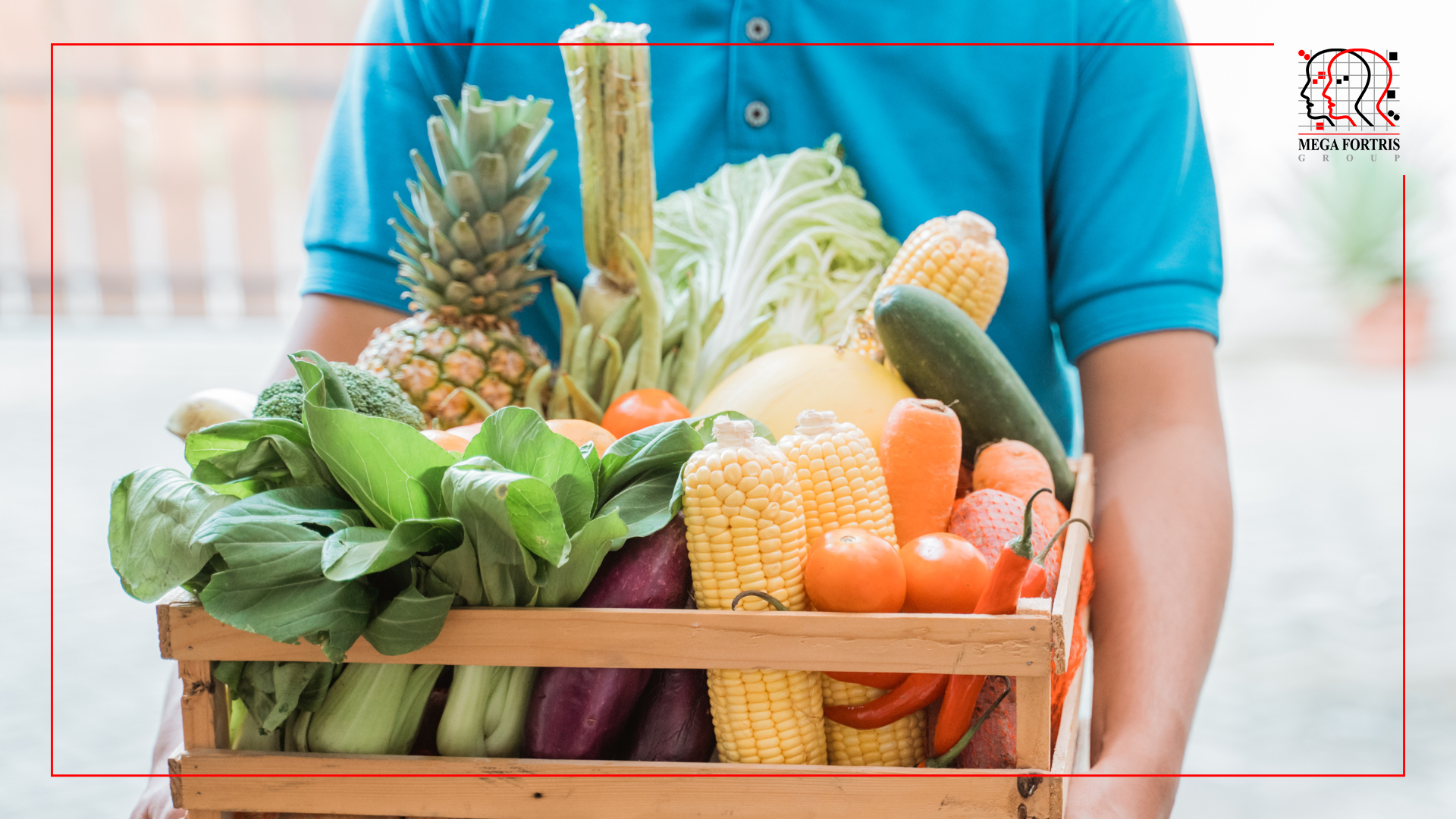
The food industry plays a critical role in delivering safe, high-quality food to consumers. It encompasses a wide range of sectors, including agriculture, food manufacturing, distribution, retail, and food services. Each of these areas faces challenges related to food safety, product integrity, and regulatory compliance. In this context, security seals serve as a simple yet highly effective solution for safeguarding the food supply chain, from farm to table. These tamper-evident devices help prevent unauthorised access, deter theft, and enhance traceability, ultimately supporting consumer trust and regulatory standards.
Why Security Seals Matter in the Food Supply Chain
Modern food supply chains are increasingly complex, involving multiple stages and sources from production and processing to transport and retail. Ensuring food remains safe and uncontaminated throughout this journey is a top priority. Security seals function as a critical line of defence, silently protecting goods across every stage of the chain. These seals are designed to prevent unauthorised access to goods in transit or storage, and provide visible evidence of tampering should it occur. This enables businesses to take immediate corrective actions, strengthening both food safety and operational accountability.
Security seals offer three key benefits in the food industry:
- Product Integrity: Seals protect goods from theft, damage, and contamination during storage or transportation.
- Regulatory Compliance: They support traceability and fulfil health and safety requirements across national and international logistics.
- Consumer Confidence: A tamper-evident seal signals transparency, offering peace of mind that products remain untouched from source to shelf.
Applications of Security Seals in Food Logistics
Security seals are most visibly applied during transportation and storage. As food items are moved across short or long distances, sometimes crossing international borders, various types of seals are employed to protect goods and validate the integrity of shipments.
Plastic Seals for Local and Regional Transport
For local and regional deliveries, plastic pull-tight seals are commonly used due to their cost-effectiveness and ease of application. They provide a clear visual indication of security and if tampering has occurred, and are suitable for sealing delivery trucks, storage bins, and tote boxes. Common security seals include:
- Fleet Lock (FL)
- Simulock New Version
- Mini Fort Single Lock
- Mega Fixed Length (MEGA-FLS)
- Mega Truck (MTK)
- Mega Truck with Flap (MTK WF)
- Fast Seal
- Fort Mega Post Seal
- Fort CBS Seal
Cable Seals for Cross-Border and High-Value Shipments
For long-distance or international transport, particularly when handling bulk or high-value food products, cable seals are the preferred choice. These offer greater strength and durability, making them suitable for securing containers and meeting international compliance standards, such as the ISO 17712 standard.
Frequently used security seals include the following:
- Mini Cable Lock 250 (MCL 250)
- Medium Cable Lock 350 (MCL 350)
- Maxi Cable Lock 500 (MCL 500)
- Mini Cable Lock Premium 150 (MCLP 150)
Pull-tight Seal and Label Seals for Airline Catering
Additional solutions include pull-tight seals which are ideal for securing storage doors (galleys for airlines) and distribution bins. A couple of these seals include:
- Sky Seal
- Fast Seal Tear Off
Tamper-evident labels (TE Labels) are also widely used on individual packages and smaller containers to provide an extra layer of security.
Specialised Seals for Regulatory Control
Some seals are designed for specific regulatory purposes. For example, the Mud Crab (MU) Seal used primarily in Australia, particularly in New South Wales, lobsters are tagged to support sustainable fisheries management and prevent illegal harvesting. The security seal commonly used is a specially designed plastic lobster tag (known as the Mud Crab seal but usually branded or customised as Lobster Tagging) which features a one-time locking mechanism, unique serial numbers, and durable construction to withstand harsh marine environments. These tags are attached to each legally caught lobster and serve as proof that the lobster has been harvested by a licensed fisher in accordance with state regulations. The use of tamper-proof security seals ensures traceability from sea to sale, helping authorities monitor quotas, reduce black-market activity, and protect the long-term health of lobster populations. By combining robust physical design with individual identification codes, these seals play a crucial role in safeguarding the integrity of Australia’s lobster fishery.
The use of security seals in the food industry is not merely operational, it is essential. They help ensure food safety, maintain product quality, and uphold regulatory compliance. From farm-level producers to global exporters, implementing the right sealing solutions at the right points in the supply chain is crucial. As supply chains continue to evolve and consumers demand greater transparency, the need for reliable and tamper-evident sealing solutions will only increase. In this complex landscape, security seals and tamper-evident solutions will remain a cornerstone of food safety and integrity.
#MegaFortris #PreventionProtectionPeaceofMind