



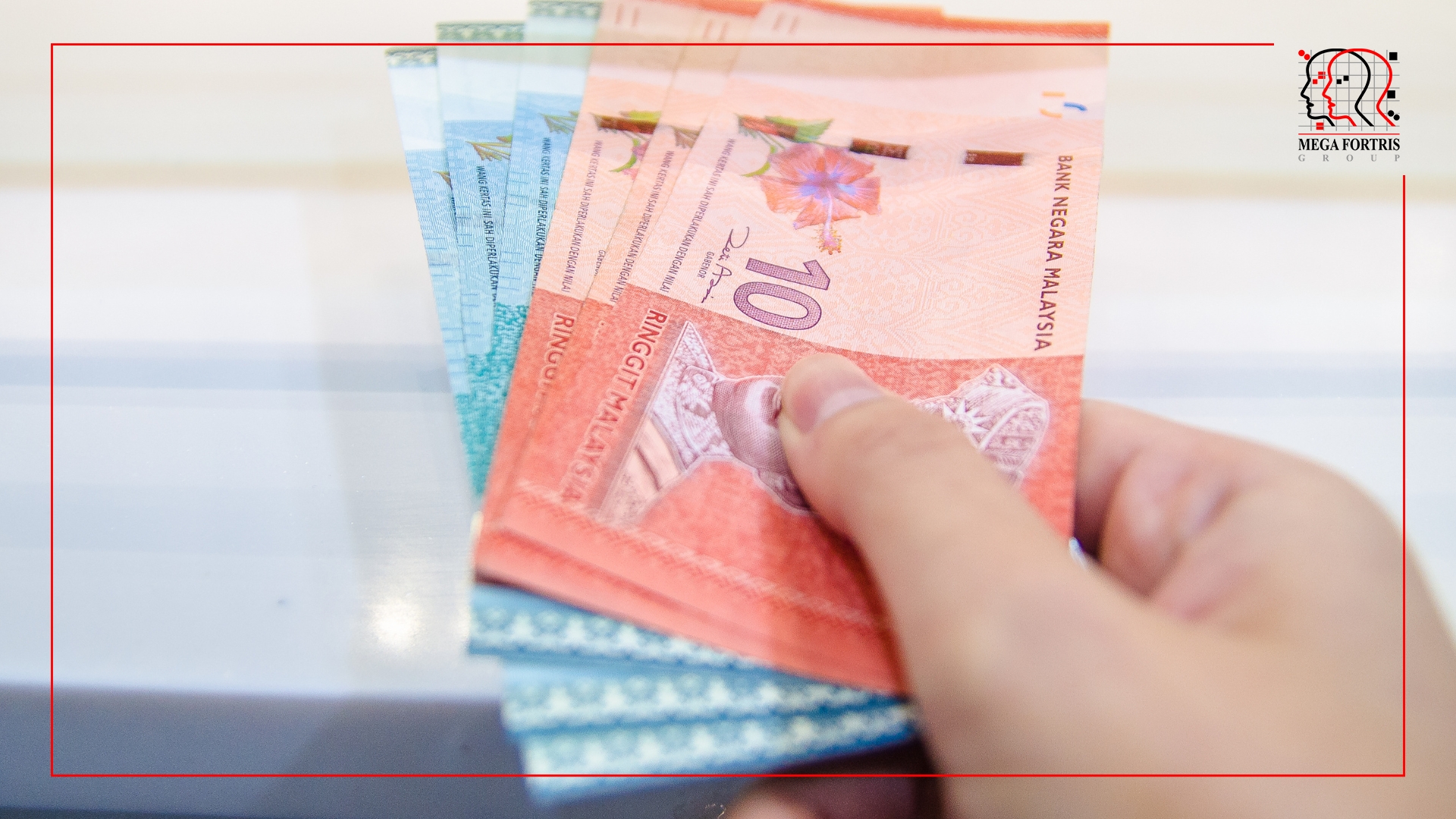
The Cash-in-Transit (CIT) industry plays a vital role in ensuring the secure and efficient movement of physical currency, confidential documents, and other valuable items between financial institutions, businesses, and government entities. From replenishing ATMs and transporting bulk cash to handling sensitive materials like passports and identity cards, CIT services are critical to maintaining the smooth flow of economic activities. Operating in high-risk environments, CIT providers must prioritize security, accountability, and operational precision at every step of the transport process.
To safeguard the integrity of high-value assets during transport, the CIT industry relies heavily on a variety of security seals and tamper-evident (TE) bags. These tools are tailored to specific operational needs across different sectors, ensuring that cash, sensitive documents, and valuable items are protected throughout the logistics chain.
ATM Cash Cassettes: In the banking sector, ATM cash cassettes are a primary focus of CIT operations. They are typically secured with compact, high-performance pull-tight seals such as the Mini Fast Seal (MFS) and Fast Seal 5 (FS5). These seals are designed for tight spaces and provide a clear visual indication of tampering, preventing unauthorised access and reinforcing the integrity of ATM replenishment procedures.
Bulk Cash and Banknote Transport: For daily cash-handling operations, such as transferring bulk cash from ATMs to banks or between bank branches, security bags are widely used. These bags are sealed with SP Cash Bag Seal (SPCBS), SP Cash Bag Seal Label Tag (SPCBS LT), Fort Mega Post Seal or Fast Seal 3.5 to ensure accountability and deter theft. Sometimes, TE Bags are also used for some security companies for transferring bulk cash or bank notes, offering visible indicators of interference. TE bags are available in a range of sizes from XS to L and can be customized to meet specific requirements.
While ATM cash cassettes and bulk cash transportation remain the core focus areas of the CIT industry, the application of security seals and tamper-evident solutions extends beyond these. Other sectors involved in the secure movement of cash and valuable items such as money changers, large retail chains, and the government sector also relied on these tools to protect important documents, currency, and high-value assets during transit. These include:
Cashier Deposit & High Value Item Transport: Major retailers such as AEON or 7Eleven, and money changers such as Travelex, also depend on security seal & Tamper-Evident (TE) Bags to transport large volumes of daily cashier deposits. These deposits, typically consisting of cash and coins, are packed into generic STEB before being delivered to banks or secure vaults. For transporting high-value items such as precious metals or gemstones, TE bags provide additional assurance against unauthorised access and mishandling.
Sensitive Document Handling in Government Sector: Government agencies which may frequently handle sensitive materials, including confidential documents and identity-related items. These are sealed with TE Labels to ensure that no unauthorised access occurs during transit. Non-personalised passports and smart cards, which are critical components in national ID production, are also transported using TE Bags. This approach minimises the risk of counterfeiting, loss, or tampering.
As financial operations and logistics become increasingly complex, the Cash-in-Transit industry remains a critical component in maintaining security and trust. By leveraging advanced sealing technologies such as pull-tight security seals and tamper-evident bags, CIT providers can strengthen the safe handling and transportation of cash, confidential documents, and valuable assets. These solutions not only act as deterrents against theft and fraud but also demonstrate the industry’s ongoing commitment to reducing the risk in a constantly evolving threat landscape.
#MegaFortris #PreventionProtectionPeaceofMind